Frankfurt am Main, Germany

About
The Frankfurt Garden, hosted by the Cooperative Brain Imaging Center (CoBIC), explores how modern EEG and MEG research is moving beyond traditional laboratory settings into the real world. Under the theme "Brains in the Wild – Practical M/EEG Experiments under Real-World Conditions", we focus on the methodological challenges and opportunities of studying brain activity during naturalistic paradigms, movement, immersive virtual reality, music, and other naturalistic scenarios.
Bringing together leading researchers in mobile EEG, immersive neuroimaging, music neuroscience, wearable technologies, and advanced data analysis, the programme combines international scientific exchange with extensive hands-on experience. Participants will explore the complete experimental workflow through invited talks, interactive workshops, live demonstrations, and experimental showcases.
What makes the Frankfurt Garden unique is its emphasis on learning by doing. Alongside the internationally coordinated CuttingGardens programme, participants will experience activities that can only be found locally, including live mobile EEG and MEG demonstrations, immersive virtual reality experiments, wearable neurotechnology, music neuroscience, and a guided visit to the interdisciplinarySenckenberg Brain Exhibition. Throughout the week, approximately 60 participants from Germany and across Europe will join the worldwide CuttingGardens community, connecting with researchers across around 30 Gardens on five continents.
Topics
-
MEEG
-
Naturalistic Setups
-
Brains In The Wild
Tutorials
- Creating XR experiments for Cognitive Neuroscience with Unity and the EDIA toolbox
- Unfold.jl in the Wild - Analysing naturalistic ERP data
- ManyMusic: Building a 1,000-Song EEG Dataset
Featured Speakers /Teachers
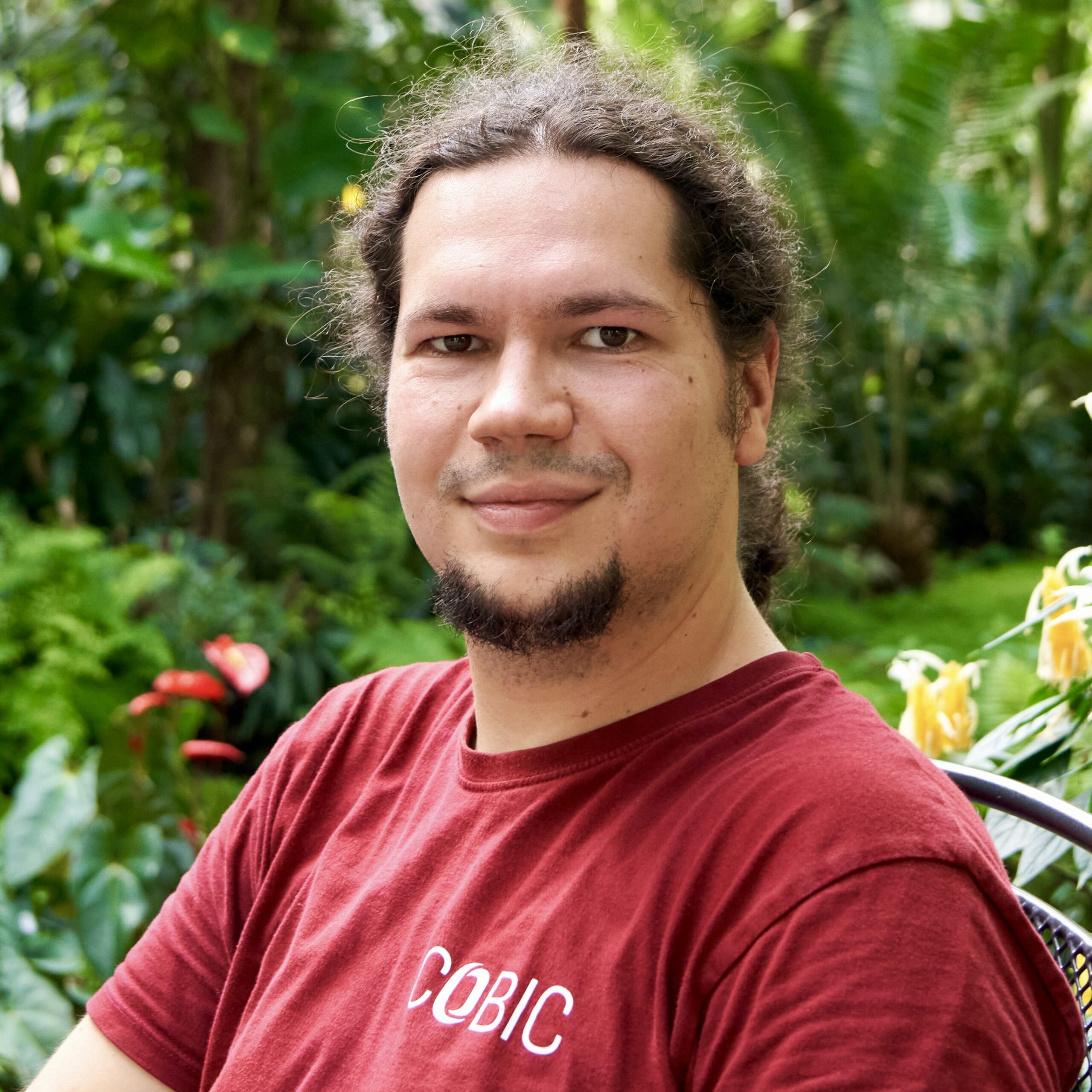
Georgios Michalareas - Mobile EEG
MEG Lab, Cooperative Brain Imaging Center (CoBIC), Goethe University Frankfurt
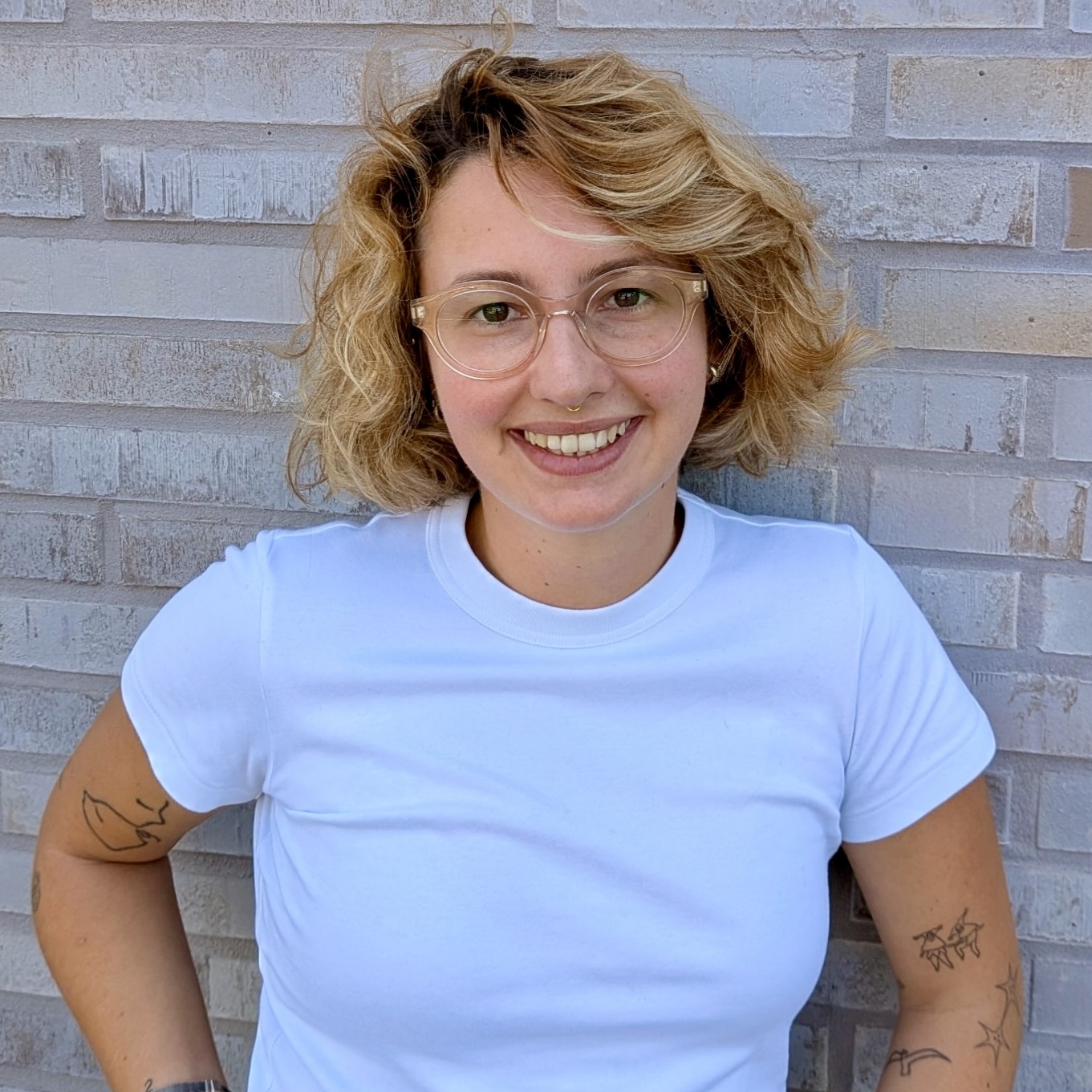
Marieke Schölvinck - Naturalistic MEG
Ernst Strüngmann Institute for Neuroscience (ESI), Frankfur
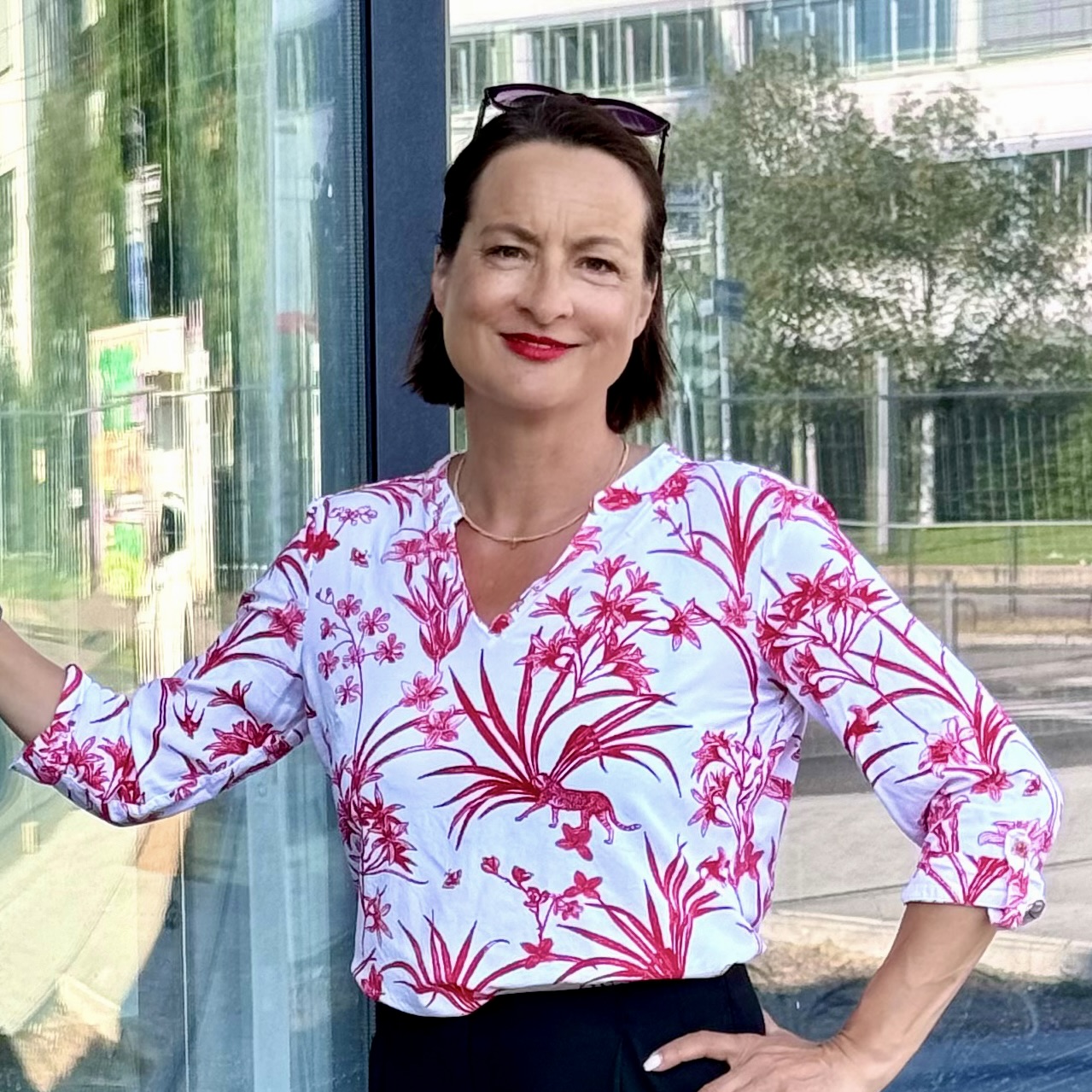
Omid Abbasi - Wearable Neurotechnology
University of Münster & Virgobit GmbH
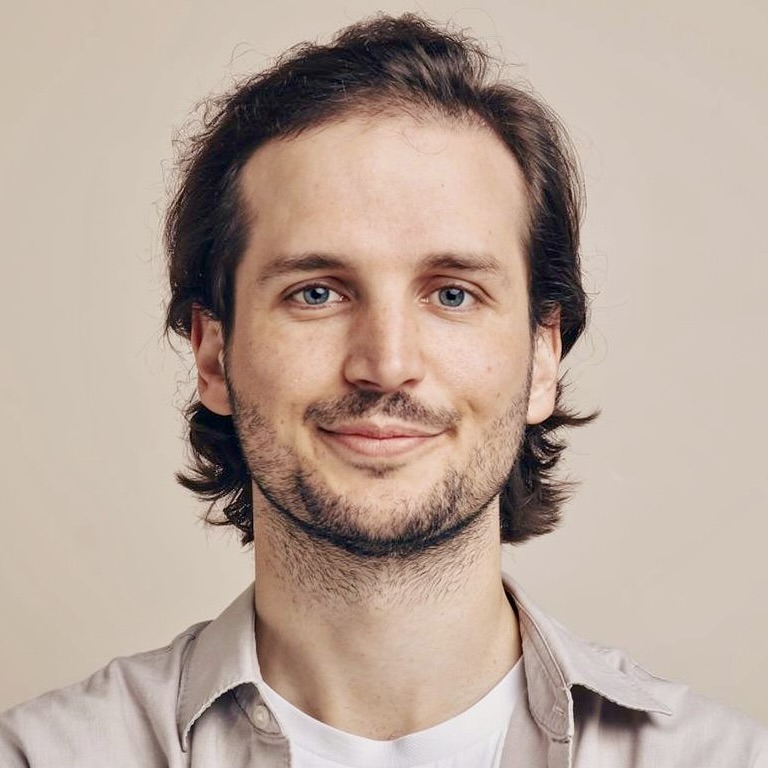
Yuranny Cabral-Calderin - Auditory Neuroscience
Freie Universität Berlin
The Cutting Panther Initiative promotes awareness, equality, accessibility, and respect throughout the conference. In Frankfurt Garden, that means a quiet room if you need a rest, gender-neutral restrooms, pronoun stickers at registration, a designated person on the team you can go to if anything feels off, and a Safe Frankfurt guide to inclusive spots around town for your free evenings. We aim to create a conference where every participant can contribute, learn, and connect in a safe and supportive community!
Local Program
Registration
Venue
contact
Local program
Global - Plenary lecture
Local - Lectures
Local - Tutorials
Local - Social Events
Local - Food / Posters
Local - Satellite Event
Program details
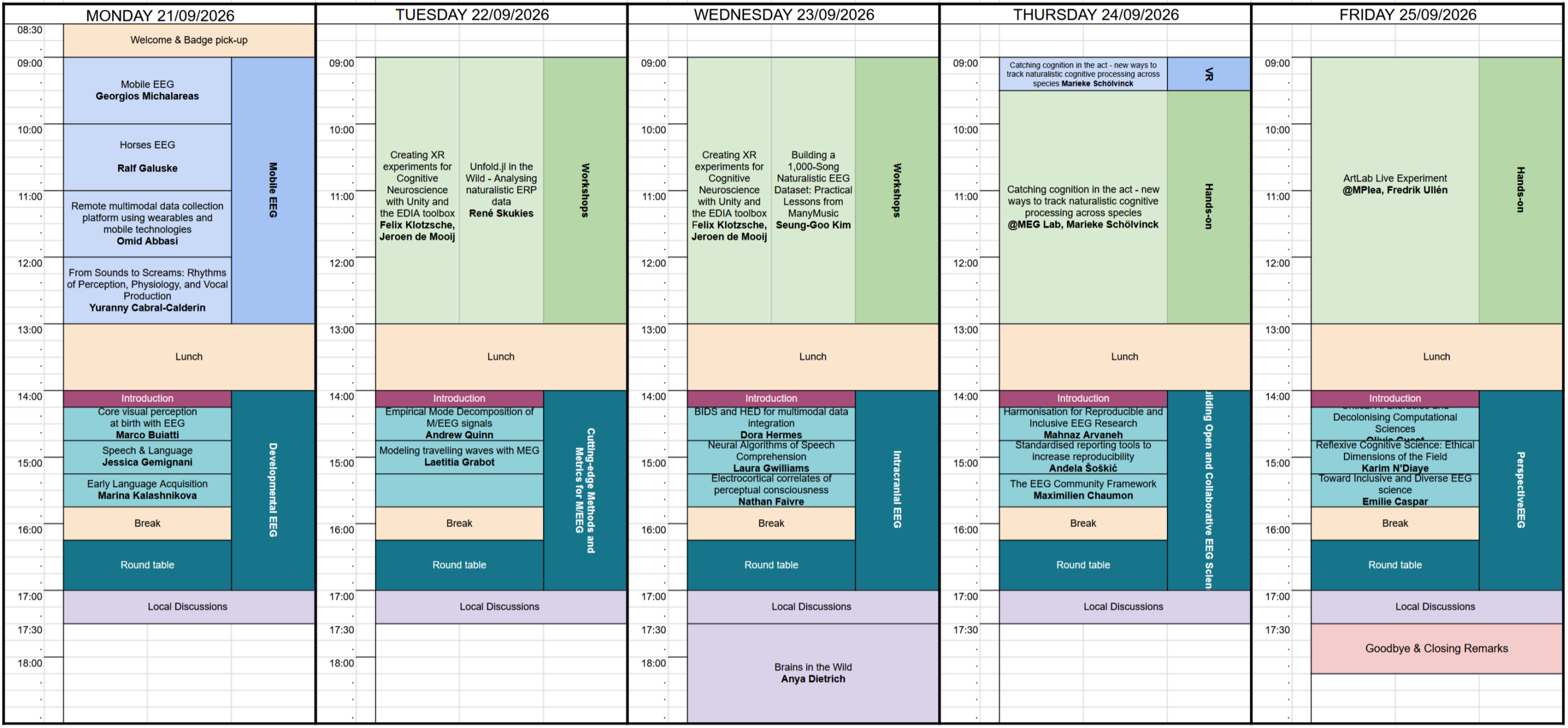
MONDAY 21st
08:30 – Welcome & Badge pick-up
09:00 – Mobile EEG – Georgios Michalareas
10:00 – TBA – Ralf Galuske 11:00 – Remote multimodal data collection platform using wearables and mobile technologies – Omid Abbasi
12:00 – From Sounds to Screams: Rhythms of Perception, Physiology, and Vocal Production – Yuranny Cabral-Calderin
13:00 – Lunch
14:00 – (Global) Developmental EEG
· Core visual perception at birth with EEG – Marco Buiatti
· Speech & Language – Jessica Gemignani
· Early Language Acquisition – Marina Kalashnikova
· Round table
17:00 – Local Discussions
TUESDAY 22nd
09:00 – Creating XR experiments for Cognitive Neuroscience with Unity and the EDIA toolbox – Felix Klotzsche, Jeroen de Mooij
09:00 – Unfold.jl in the Wild - Analysing naturalistic ERP data – René Skukies
13:00 – Lunch
14:00 – Cutting-edge Methods and Metrics for M/EEG
· Empirical Mode Decomposition of M/EEG signals – Andrew Quinn
· Modeling travelling waves with MEG – Laetitia Grabot
· Round table
17:00 – Local Discussions
WEDNESDAY 23rd
09:00 – Creating XR experiments for Cognitive Neuroscience with Unity and the EDIA toolbox – Felix Klotzsche, Jeroen de Mooij
09:00 – Building a 1,000-Song Naturalistic EEG Dataset: Practical Lessons from ManyMusic – Seung-Goo Kim
13:00 – Lunch
14:00 – Intracranial EEG
· BIDS and HED for multimodal data integration – Dora Hermes
· Neural Algorithms of Speech Comprehension – Laura Gwilliams
· Electrocortical correlates of perceptual consciousness – Nathan Faivre
· Round table
17:00 – Local Discussions
17:30 – Brains in the Wild — Anya Dietrich
THURSDAY 24th
09:00 – Catching cognition in the act - new ways to track naturalistic cognitive processing across species – Marieke Schölvinck
09:30 – Dome VR in MEG @ MEG Lab (Hands-on) – Marieke Schölvinck
13:00 – Lunch
14:00 – Building Open and Collaborative EEG Science
· Harmonisation for Reproducible and Inclusive EEG Research – Mahnaz Arvaneh
· Standardised reporting tools to increase reproducibility – Anđela Šoškić
· The EEG Community Framework – Maximilien Chaumon
· Round table
17:00 – Local Discussions
FRIDAY 25th
09:00 – ArtLab Live Experiment @ MPIEA (Hands-on) – Fredrik Ullén
13:00 – Lunch
14:00 – PerspectiveEEG
· Critical AI Literacies and Decolonising Computational Sciences – Olivia Guest
· Reflexive Cognitive Science: Ethical Dimensions of the Field – Karim N'Diaye
· Toward Inclusive and Diverse EEG science – Emilie Caspar
16:00 – Round table
17:00 – Local Discussions
17:30 – Goodbye & Closing Remarks
Local Talks
From Sounds to Screams: Rhythms of Perception, Physiology, and Vocal Production
Yuranny Cabral-Calderin - Auditory Neuroscience
Freie Universität Berlin
Rhythmic structure is a central feature of natural sounds. In this talk, I use controlled experimental paradigms to examine how temporal regularity relates to auditory perception, neural activity, and physiology, before extending this approach to vocal production.
I first present studies using near-threshold gap detection in frequency-modulated sounds. EEG recordings show that auditory detection varies with low-frequency neural phase and alpha amplitude. Experiments combining these sounds with transcranial alternating current stimulation show that electrical stimulation can modulate sound-driven behavioural entrainment, although the effects vary across individuals and depend partly on properties of the induced electric field. When auditory and electrical rhythms compete, however, the auditory stimulus remains the stronger influence on behaviour.
I then present findings from simultaneous MEG, respiration, and ECG recordings. Rhythmic sounds facilitate near-threshold detection and produce reliable cortical phase locking, while respiration also aligns with stimulus onset. However, the strength of neural or respiratory alignment does not predict whether a target is detected.
Finally, I move from auditory perception to vocal production by comparing neutral speech with screamed words. Scream preparation is associated with stronger respiratory adjustments and differences in neural activity, including greater alpha suppression. Together, EEG and respiratory features distinguish the upcoming type of vocalization with over 80% accuracy.
Taken together, these studies examine how external, neural, and physiological rhythms relate to auditory perception and vocal preparation, while showing that measurable synchronization does not necessarily predict behaviour
Unfold.jl iRemote multimodal data collection platform using wearables and mobile technologiesn the Wild - Analysing naturalistic ERP data
Omid Abbasi
University of Münster & Virgobit GmbH
Remote, high-frequency monitoring is reshaping how we study brain and behavior beyond the laboratory, yet turning heterogeneous wearable signals into time-synchronized, analysis-ready datasets remains a practical bottleneck. I will present Spica, a remote monitoring platform for continuous, multimodal data collection in real-world environments. Spica integrates three components: (1) a flexible ecosystem of wearable devices — mobile EEG, ECG belts, cardiowatches, activity and smart-ring trackers, motion sensors, and continuous glucose monitoring — enabling simultaneous, time-synchronized recording of EEG, ECG/HRV, accelerometry, sleep, and activity; (2) a mobile app for scheduled ecological momentary assessment of affect, symptoms, and context; and (3) a suite of gamified cognitive-behavioral tasks that extract quantitative markers from smartphone interactions. The platform is currently deployed across multiple clinical centers — within CRC/TRR 393 (affective disorders; Marburg, Münster, Dresden) and TRR 295 (Parkinson's disease; Charité and Düsseldorf University Hospital) — supporting longitudinal recording over weeks to months with systematic logging of adherence, data loss, and technical issues. Using these deployments as concrete examples, I will discuss what it takes to run robust multimodal "brains-in-the-wild" studies, from sensor synchronization and patient engagement to handling data quality under real-world conditions.
Catching cognition in the act - new ways to track naturalistic cognitive processing across species
Marieke Schölvinck
Ernst Strüngmann Institute for Neuroscience in Cooperation with Max Planck Society, Frankfurt am Main, Germany
Imagine, for a moment, doing grocery shopping. Even a simple task like this requires a lot of simultaneous thought processes: spatial navigation through the aisles, working memory to remember the shopping list, attention to spot the right food items, and so on. Typically, neuroscience studies these processes separately, and very differently in different species.
In our talk and demonstration, we will show how multiple cognitive processes can be studied simultaneously in a natural way across species. To this end, we have built three identical virtual reality (VR) setups in which mice, monkeys, and humans engage in the same foraging task. This foraging task triggers entirely self-motivated and intuitive behaviours that involve multiple cognitive processes.
For humans, the VR set-up is implemented as a large 3D dome inside the MEG chamber. Participants use a trackball to navigate through the VR environment, while we record, aside from their brain activity, also their eye movements, face muscles and hand muscles.
From the muscle data, we infer simultaneous cognitive processes during the foraging task using hidden Markov models. These cognitive processes are then directly related to brain activity in visual and frontal cortex. Finally, we will compare the human MEG data to already recorded electrophysiological brain data from the visual cortex of mice and monkeys.
Local Workshops
Building a 1,000-Song Naturalistic EEG Dataset: Practical Lessons from ManyMusic
This workshop shares the experience of building a deep phenotyping dataset of music-evoked emotions, namely "ManyMusic🎶" (<https://manymusic.net/>). This ongoing project involves 17 EEG sessions and 17 fMRI sessions per participant, measuring neural and behavioural responses during intense affective experiences evoked by complete musical works spanning a wide range of genres, including Western classical, jazz, rock, pop, hip-hop, and more. Across six participants, the project will collect data from more than 1,000 full-length musical pieces.
In this workshop, we will discuss the challenges of building a deep phenotyping dataset such as stimulus selection, participant screening, data quality monitoring, and on-the-fly troubleshooting. Participants will also have the opportunity to examine a subset of the collected EEG data first-hand. We will conclude by discussing the future prospects of developing foundation models from deeply sampled multimodal datasets.
Unfold.jl in the Wild - Analysing naturalistic ERP data
In recent years, we can see a shift from controlled laboratory experiments to more naturalistic environments. Analyzing EEG while someone reads a book, listens to music while walking around, navigates the streets of a city, or appreciates a piece of art become viable options.
However, these naturalistic paradigms, where the experimenter does not control the subject's sensory input present difficult challenges for data analysis and interpretation. As a result, researchers are increasingly confronted with data where brain signals (such as ERPs) overlap in time, and are confounded by continuous variables.
To address these complexities, we continue to develop Unfold.jl^1, a toolbox operating within the regression ERP framework (rERP, Smith & Kutas 2015).
In this workshop, we will work on - in theory and hands on - mass-univariate rERPs, continuous and non-linear effect modelling, marginal effects, and overlap correction.
The workshop will be held in the Julia programming language. However, we provide notebooks where you will only do minimal coding yourself, and you will have no problems following the hands-on sessions if you have (some) experience in Python, R and/or MATLAB. Additionally, Julia and Unfold.jl are callable from Python, making it easy to apply the learned concepts to your existing MNE analyses.
[https://unfoldtoolbox.github.io/UnfoldDocs/Unfold.jl/stable/]
Prerequisite
To partake in these hands-on sessions, you must install Julia (at least version 1.11) and Pluto.jl on your computer. To do this, you can follow the installation guide from an earlier workshop here: https://www.s-ccs.de/workshop_unfold_2025/installation.html
Creating XR experiments for Cognitive Neuroscience with Unity and the EDIA toolbox
This Workshop will introduce participants to the fundamentals of developing XR experiments in Unity, a versatile and widely used real-time 3D engine. Across two morning sessions we will start from some Unity basics, before we move to the intrinsics of using it to build an M/EEG experiment.
A central part of the workshop will focus on EDIA, our open-source toolbox designed to streamline XR development for scientific experiments. EDIA reduces implementation efforts by offering reusable architectural patterns and pre-configured components. It thereby supports rapid iteration and scalable project structures while keeping study-specific logic and Unity scene setup under the researcher’s control. Day two will focus on the synchronization with external data streams (e.g., M/EEG recordings) via the LabStreamingLayer (LSL) protocol.
Affiliations: Jeroen de Mooij, 3DXR Developer, thefirstfloor, Rotterdam (NL) Felix Klotzsche, Max Planck Institute for Human Cognitive and Brain Sciences, Mind-Body-Emotion Group, Berlin (DE)
Registration Extended to Sept 21st
Registration is required for participation in the Frankfurt Garden. Attendance is limited to approximately 60 participants to ensure an interactive workshop environment and hands-on access to demonstrations and experimental sessions.
Registration instructions are provided in the form and in the follow-up email, please follow them carefully.
Workshop instructions
Two workshops are offered in parallel on Tuesday and Wednesday mornings (09:00–13:00). The Creating XR experiments for Cognitive Neuroscience with Unity and the EDIA toolbox workshop spans both mornings and is limited to 20 participants. The second track features Unfold.jl in the Wild - Analysing naturalistic ERP data (Tuesday) and ManyMusic (Wednesday). Please select your preferred workshop(s) during registration.
Registration fee
The registration fee is €250 and includes conference participation, all workshops, lunches, coffee breaks, and CuttingEEG Association membership.
Venue - How to reach the Frankfurt Garden

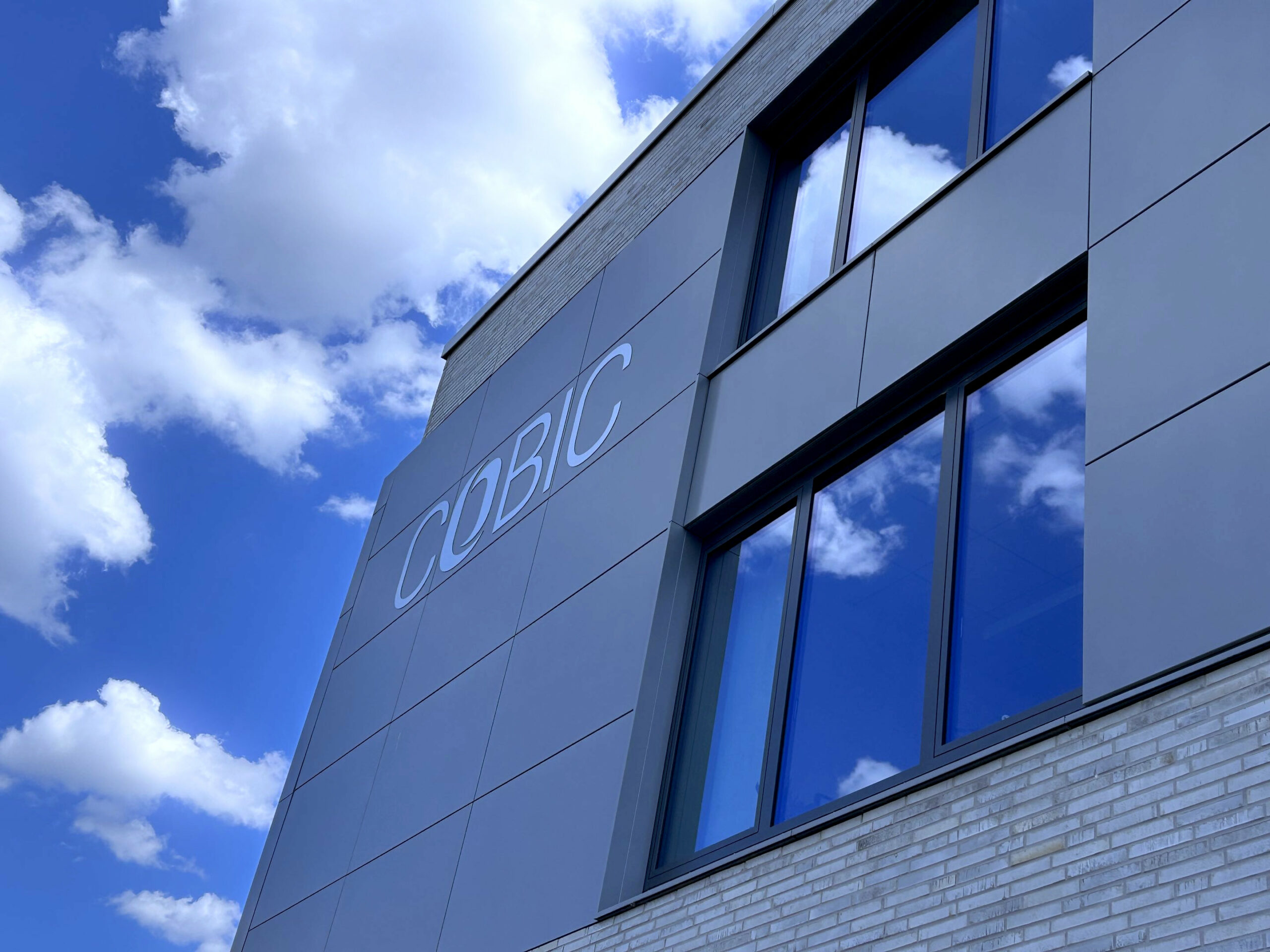
The conference will take place at the Cooperative Brain Imaging Center (CoBIC) in Frankfurt am Main: www.cobic.de/
CoBIC is a joint research center of Goethe University Frankfurt, the Max Planck Institute for Empirical Aesthetics, and the Ernst Strüngmann Institute for Neuroscience. Equipped with state-of-the-art MEG, EEG, MRI and brain stimulation facilities, CoBIC provides an ideal environment for hands-on demonstrations, interactive workshops, and discussions on cutting-edge neuroimaging methodology.
Coming to Frankfurt
The venue is easily reached by public transportation. From Frankfurt Central Station, take tram 12 or 21 directly to Heinrich-Hoffmann-Straße / Blutspendedienst, located immediately in front of CoBIC. Frankfurt Airport is approximately 20 minutes away by public transport. Additional travel information is available via RMV: https://www.rmv.de